Government
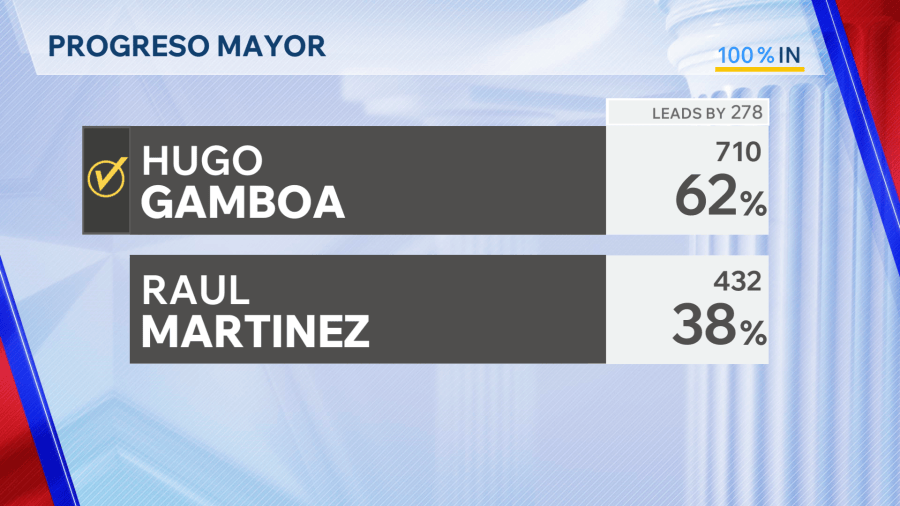
Hugo Gamboa re-elected as Progreso mayor
By Antonio Morales
Advertisement · Why this ad?
Jacob Rios earned his degree in Education from the University of Texas at San Antonio and has been reporting on school systems and educational policies for over three years. His previous work includes pieces for the Texas Tribune and local news outlets.
More from Jacob →
As the sun dipped below the horizon in Brownsville, casting a warm glow over the city, a tension-filled meeting unfolded at City Hall. Residents and officials alike gathered to discuss a pressing issue that could shape the future of their community: the proliferation of data centers. On Wednesday evening, the Brownsville City Commission took a decisive step, passing a 90-day moratorium on data centers, marking a significant moment in the city’s ongoing dialogue about development and sustainability.
During the commission's meeting, which was attended by concerned citizens and industry representatives, the decision to pause the processing, acceptance, and approval of data center applications was finalized. This moratorium, effective immediately on Thursday, was initiated to allow city officials time to evaluate the implications of such developments on the local environment and economy. Mayor Juan “Trey” Mendez III emphasized the need for careful consideration, stating, "We want to ensure that any future developments align with our community’s values and sustainability goals."
The moratorium comes as data centers, which house vast amounts of digital information and require substantial energy and water resources, have seen a surge in interest across the country. In Brownsville, the rapid growth of these facilities has raised questions about their long-term impact on the community, particularly regarding resource allocation and environmental sustainability.
City officials noted that the moratorium would allow them to conduct a thorough review of existing regulations and potentially formulate new guidelines to better manage the influx of data centers. This proactive approach aims to strike a balance between technological advancement and the preservation of the city’s natural resources.
The response from the community has been mixed, with some residents expressing support for the moratorium, while others are concerned about the implications for economic growth. Local business owner Maria Gonzalez voiced her support, saying, "We need to think about our future and how these data centers will affect our water supply and energy needs. It's better to take a step back now than to rush into something that could harm us later."
Conversely, some community members worry that the moratorium could stifle economic opportunities. David Ramirez, a local entrepreneur, expressed his frustration, stating, "Data centers can bring jobs and investment to our city. We should be welcoming these developments, not putting them on hold." This sentiment reflects a broader concern among those who see technology as a vital component of Brownsville's economic future.
During the meeting, several residents took to the podium to voice their opinions. One resident, Elena Torres, shared her fears about the environmental implications, saying, "We need to protect our natural resources for future generations. If we allow data centers to proliferate without regulation, we risk losing what makes Brownsville special." This highlights the deep-rooted connection many residents have with their environment and the desire to ensure that development does not come at the cost of their community's identity.
The city’s decision also sparked discussions on social media, where residents shared their opinions and debated the merits of the moratorium. Some praised the commission for prioritizing the environment, while others argued that the city should be more aggressive in attracting tech companies to boost the local economy.
The moratorium is not just a temporary pause; it serves as a critical juncture for Brownsville as it navigates the complexities of modern development. With the tech industry evolving rapidly, city officials recognize the importance of establishing a clear framework that addresses environmental concerns while also fostering economic growth.
As the city embarks on this review process, it will engage with stakeholders, including environmental groups, business leaders, and residents, to gather input and insights. This collaborative approach aims to create a comprehensive plan that reflects the community's values and aspirations.
One of the primary concerns surrounding data centers is their significant energy consumption and the potential strain on local resources. Brownsville's unique geographical location and climate add another layer of complexity, prompting city officials to consider the long-term sustainability of such developments.
In recent years, the city has made strides in promoting green initiatives and sustainable practices. As they reassess their policies regarding data centers, officials are likely to consider how these facilities can align with the city’s broader environmental goals. This could include incentivizing the use of renewable energy sources or implementing stricter regulations on water usage.
Moreover, local environmental organizations, such as the Sierra Club’s Rio Grande Chapter, have expressed their intent to participate in the discussions. Their involvement will be crucial in advocating for sustainable practices that protect local ecosystems, particularly given Brownsville’s proximity to the Gulf of Mexico and its diverse wildlife.
As the 90-day moratorium unfolds, the Brownsville City Commission is poised to engage in meaningful dialogue with the community. This period of reflection and assessment offers an opportunity for residents to voice their concerns and contribute to shaping the future of their city.
Mayor Mendez has indicated that the commission will hold public forums and workshops to facilitate discussions around the moratorium and its implications. "We want to hear from everyone — this is your city, and your voices matter," he stated, encouraging community participation.
In addition to public forums, the city plans to utilize online platforms to reach a wider audience. Social media campaigns will be launched to inform residents about the moratorium and the importance of their participation in the discussion. Surveys and feedback forms will also be made available to gather insights from those who may not be able to attend in-person meetings.
Local organizations, such as the Brownsville Chamber of Commerce and environmental advocacy groups, are expected to play a crucial role in these discussions. Their involvement will help ensure that both economic and environmental perspectives are represented, fostering a holistic approach to the challenges posed by data centers.
Furthermore, educational workshops may be organized to inform residents about the technology behind data centers and their potential impact on the local economy and environment. By demystifying the technology, the city hopes to empower citizens to engage more effectively in the discussions.
Ultimately, the outcome of this moratorium will set a precedent for how Brownsville approaches technological development in the future. By prioritizing both environmental sustainability and economic growth, the city can position itself as a leader in responsible development, ensuring that it remains a vibrant and thriving community for generations to come.
As the commission works through the implications of the moratorium, they may consider establishing a task force dedicated to exploring best practices in data center development. This task force could bring together experts in urban planning, environmental science, and economic development to craft recommendations tailored to Brownsville’s unique context.
Moreover, the commission's decision to pause and reflect could inspire other cities facing similar dilemmas to adopt a more cautious approach to data center development, potentially leading to a broader movement toward sustainable tech infrastructure across the region.
By Antonio Morales

By Antonio Morales

By Megan O'Reilly

By Samantha Garcia